
Charging Several Devices from a Small Power Station: Black Friday Tech Guide 2026
By My Smart Life · Published · Updated
Quick answer: Several sockets can be convenient, but the station's total output and stored energy still limit the connected load. Add up the devices you need and confirm simultaneous-use limits. A printed device count does not establish how long they will run or whether every combination is supported.
Your buying checklist
- Check total and per-port output limits.
- Read the documented energy rating.
- Confirm adapters and cables for each device.
Make a port-by-port charging plan
List the normal device and cable for each port. For a laptop, compare the supported voltage profiles with the original adapter requirements rather than relying only on the largest wattage in the title. Ask how output changes with a second device connected and whether pass-through use is documented. Include the bank's recharge adapter in the plan: a high-output bank can still be inconvenient if its input takes too long for your routine. An attached cable also needs the right connector and output for the intended device.
Compare energy, output and recharge needs separately
Stored energy
mAh needs a voltage to describe energy. Where both are documented, watt-hours equal mAh multiplied by volts and divided by 1,000. This is a label comparison, not a prediction of full phone charges; conversion losses and the device's use also matter.
Output compatibility
Check the voltage and current profiles supported by the relevant port. USB-C describes a connector, while USB Power Delivery and other protocols describe charging negotiation. Match the device, bank and cable rather than assuming the highest printed wattage will be used.
Input and shared power
A bank's input specification determines how it can be recharged. Check the required adapter and whether output changes when several devices connect. A high single-port figure does not establish the same power at every port simultaneously.
Relevant options and trade-offs
These are catalogue options connected to this guide, with different roles and requirements. Listing names identify products; they are not independent test results. Confirm current specifications, supplied accessories, stock and the selected checkout currency on the product page.
| Catalogue option | Potential role | Confirm before choosing |
|---|---|---|
| 150Wh Portable Power Station – Charge 7 Devices Simultaneously | May suit devices that require its documented outlet or port types. | Compare labelled energy, sustained output, input power and simultaneous-use limits. |
| 20000mAh Power Bank with Flashlight for Heated Clothing and Devices | May suit compatible phone, tablet or laptop charging away from an outlet. | Check labelled energy, per-port profiles, input speed, weight and the cable needed by your device. |
| 100000mAh Wireless Magnetic Power Bank - Type C Fast Charger for iPhone Samsung | Cable-light charging when the phone, case and charging surface fit. | Check supported devices, attachment, wireless output and wired fallback; a magnetic connection alone does not establish certification or maximum speed. |
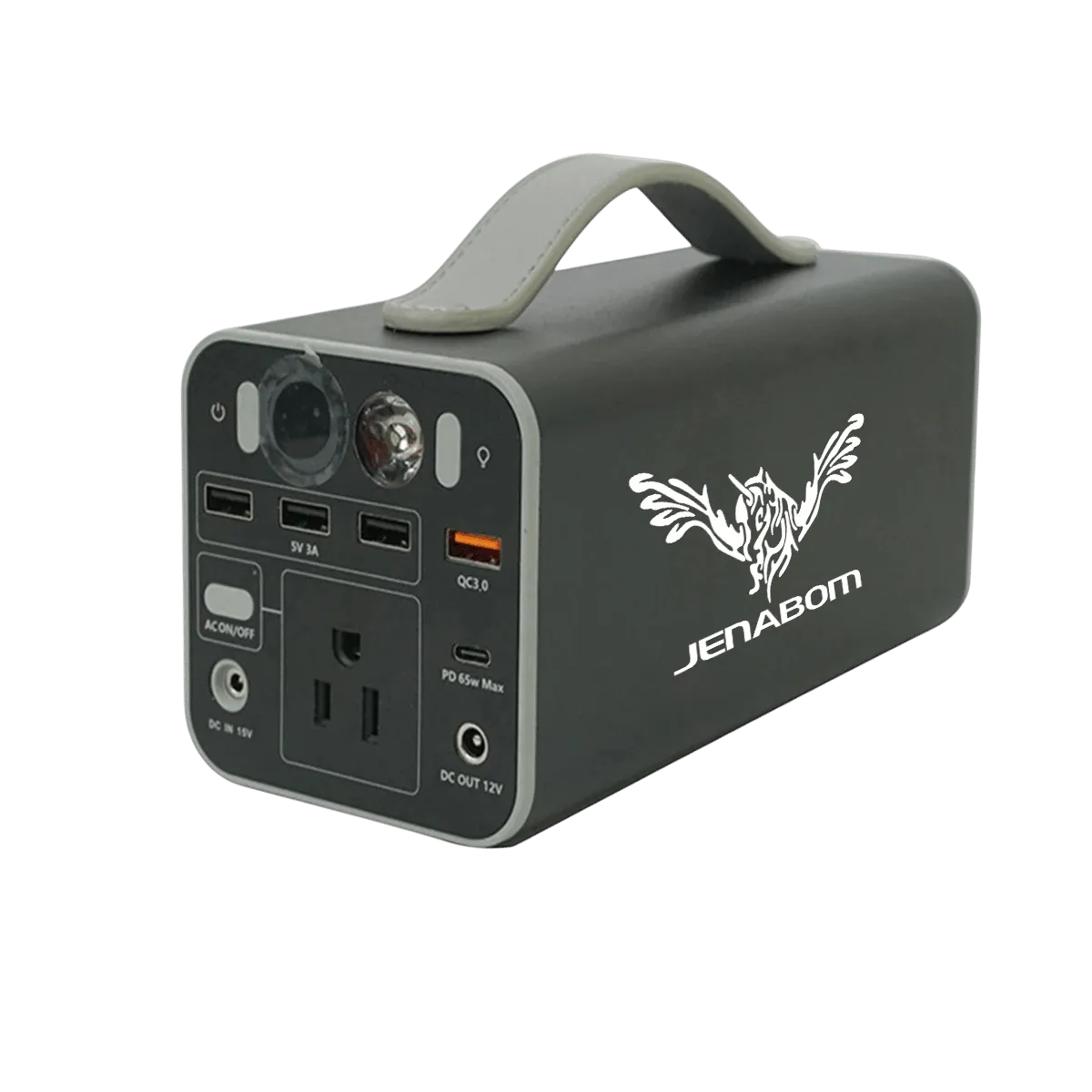
150Wh Portable Power Station – Charge 7 Devices Simultaneously
Consider for: May suit devices that require its documented outlet or port types.
Before buying: Compare labelled energy, sustained output, input power and simultaneous-use limits.
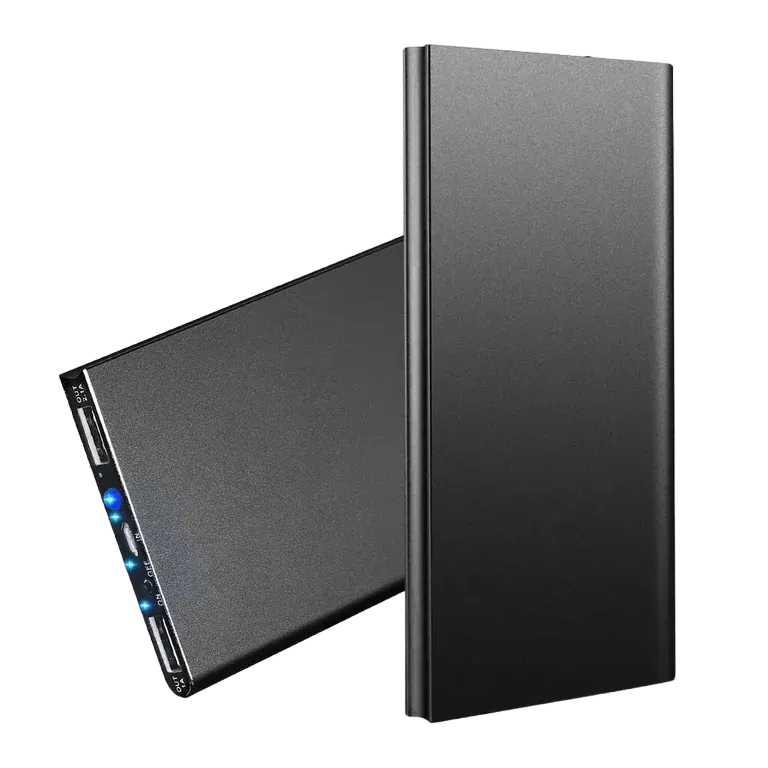
20000mAh Power Bank with Flashlight for Heated Clothing and Devices
Consider for: May suit compatible phone, tablet or laptop charging away from an outlet.
Before buying: Check labelled energy, per-port profiles, input speed, weight and the cable needed by your device.

100000mAh Wireless Magnetic Power Bank - Type C Fast Charger for iPhone Samsung
Consider for: Cable-light charging when the phone, case and charging surface fit.
Before buying: Check supported devices, attachment, wireless output and wired fallback; a magnetic connection alone does not establish certification or maximum speed.
If the options above do not match your requirements, compare other chargers and power banks before deciding. Buy for a confirmed fit rather than an unsupported ranking.
Before you rely on the setup
Charge the bank before depending on it and test your normal cable with the intended device. Check that the device reports charging under the planned workload. For flights, use the labelled energy and check your airline's current battery rules before packing; do not choose an air-travel bank from mAh marketing alone.
Questions before buying
Will the largest printed wattage reach every connected device?
Check per-port profiles and the shared-output table. The device and cable must support the negotiated profile, and simultaneous use may reduce available output.
Will a higher-wattage bank charge every phone faster?
The phone, charging protocol and cable limit what can be used. Confirm the supported profile for your device. Capacity and charging speed are separate purchasing decisions.
How many full charges will a power bank provide?
Do not infer an exact number from advertised mAh alone. Voltage, conversion losses, battery condition and phone use affect the result. Look for clear energy labelling and documented output rather than an unsupported charge-count promise.
How to use this guide
My Smart Life sells products linked in this guide. The comparison uses listed product information and buying criteria; it is not a hands-on test or an independent rating. Confirm uncertain specifications or compatibility with the supplier before ordering. For purchases planned in 2027, recheck availability and model documentation rather than assuming a future release or feature.
Further reading: USB-IF cable and connector information, Transport Canada battery safety information.